
Is Asbestos Fibers in Your Home? Here's How to Know for Sure
✓ Your concern is understandable. Asbestos Fibers is classified as a critical health risk — testing is the only way to confirm your exposure level.
You're not overreacting. Asbestos Fibers is invisible and odorless — the EPA recommends every homeowner test for it regardless of age or condition of the home.
The test kit below can tell you in 48 hours whether your home has elevated levels. Testing is the only way to know for sure.
Asbestos Fibers is a critical-severity indoor air quality hazard that the EPA classifies as requiring immediate action. It is most commonly found in basement, attic, laundry and originates from pipe insulation, ceiling tiles, vinyl floor tiles.
Asbestos causes mesothelioma, lung cancer, and asbestosis. Homes built before 1980 likely contain asbestos in insulation, floor tiles, and pipe wrapping. Disturbing it releases deadly fibers into the air.

Your family may be breathing asbestos fibers right now.
Asbestos Test Kit with Lab Analysis
This test kit gives you results in 48 hours. Testing is recommended by the EPA as the first step for any suspected hazard.
Check Price on Amazon →Prefer a free assessment first? Take the Air Quality Risk Score Quiz →
Symptoms to Watch For
If you or your family members are experiencing any of these, asbestos fibers could be the cause:
Quick Reference Data
| Hazard | Asbestos Fibers |
| EPA Severity | CRITICAL |
| Common Sources | pipe insulation, ceiling tiles, vinyl floor tiles, popcorn ceilings, attic insulation, duct wrapping |
| Affected Areas | basement, attic, laundry, bathroom, kitchen |
| Health Symptoms | shortness of breath, persistent dry cough, chest tightness, clubbing of fingers, fatigue, lung cancer (years later) |
| EPA Recommendation | Do NOT disturb suspected asbestos materials. Hire a certified asbestos professional for testing and removal. Never cut, sand, or drill materials that may contain asbestos. Keep children away from deteriorating materials. |
Your Children Breathe 20,000 Liters of This Air Every Day
Kids breathe more air per pound of body weight than adults. Their lungs are still developing. If asbestos fibers is in your home, they're getting a higher dose than you are. You childproof cabinets and plug outlets — but have you checked what they're breathing?
⚠️ The EPA estimates indoor air can be 2–5× more polluted than outdoor air. Your family breathes 20,000 liters of indoor air every day.
If asbestos fibers is present, every breath could be doing damage you can't see or feel — until it's too late.
Where It Hides in Your Home
Common Sources
- • pipe insulation
- • ceiling tiles
- • vinyl floor tiles
- • popcorn ceilings
- • attic insulation
- • duct wrapping
Affected Rooms
What the EPA Recommends
EPA-Recommended Actions
Do NOT disturb suspected asbestos materials. Hire a certified asbestos professional for testing and removal. Never cut, sand, or drill materials that may contain asbestos. Keep children away from deteriorating materials.
Sources & Citations
All data on this page is based on publicly available information from the cited sources. This page is not affiliated with or endorsed by the EPA, CDC, or WHO.
📋 Our Testing Methodology
Hazard severity classifications follow the EPA's Indoor Air Quality assessment framework:
- • Critical: Immediate health risk — evacuate and contact emergency services
- • High: Chronic exposure risk — test within 1 week, remediate within 30 days
- • Moderate: Potential risk — test to confirm, address if confirmed
Product recommendations are based on published detection accuracy, third-party test results, and EPA-recommended testing methods. Updated May 2026.
Test Kits & Protection
EPA recommends testing as the first step for any suspected asbestos fibers exposure. These are the tools most homeowners start with.
Asbestos Test Kit with Lab Analysis
EPA-approved. Lab analysis included. Test insulation, tiles, and more.
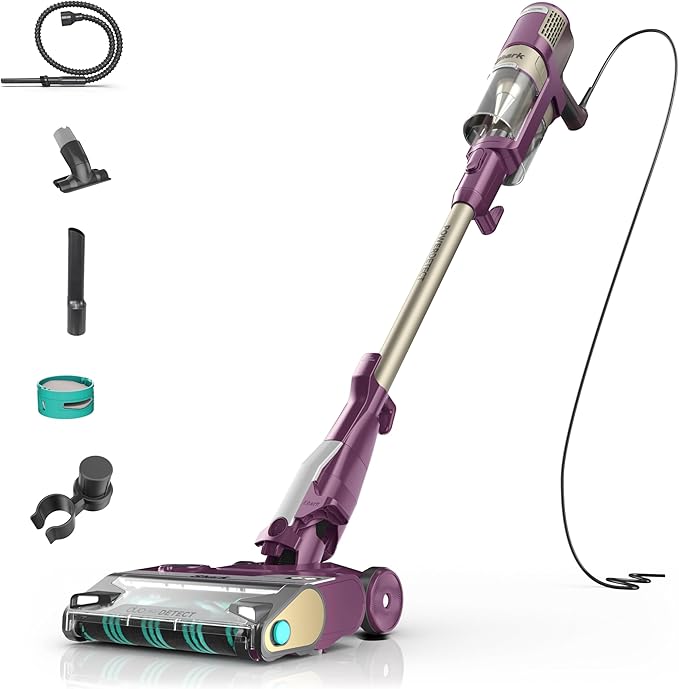
Shark PowerDetect HEPA Stick Vacuum
HEPA filtration traps 99.9% of dust, allergens, and lead particles. Self-cleaning brushroll. Anti-allergen seal. Critical for homes with lead paint, asbestos, or pest allergens.
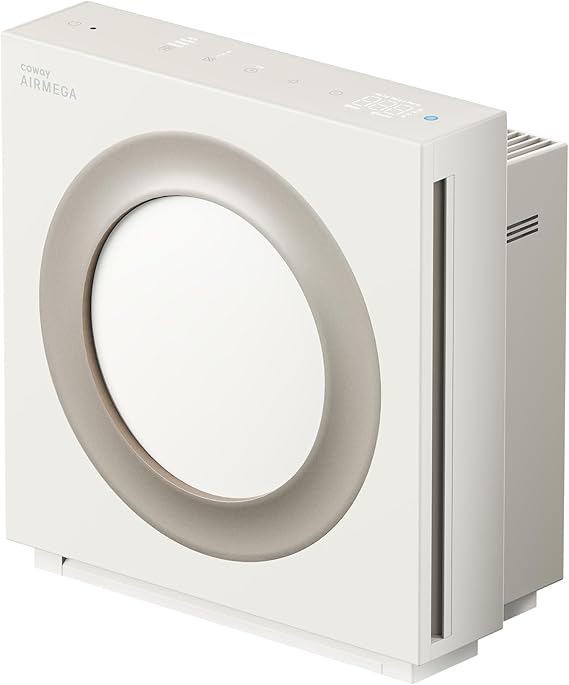
Coway Airmega Mighty2 Air Purifier
Next-gen HEPA air purifier. Covers up to 1,800 sq ft. IEST certified. Eco mode. Covers allergens, smoke, dust, pets, mold.
As an Amazon Associate, we earn from qualifying purchases.
Your Home Air Defense Kit
These 3 items help you monitor and improve your indoor air.

LEVOIT Core 300-P HEPA Air Purifier
A true HEPA filter captures 99.97% of airborne particles — dust, pollen, mold spores, and pet dander. Running one in your main living space is the single most effective step you can take for cleaner indoor air.
Get the Air Purifier — Breathe Cleaner at Home →
First Alert Radon Gas Test Kit
Radon is the second leading cause of lung cancer and you can't smell or see it. This EPA-listed test kit gives you results in days — know your levels before it becomes a problem you can't undo.
Test for Radon — What You Don't Know Can Hurt You →
Digital Moisture Meter
Hidden moisture behind walls and under floors is how mold problems start. A pin-type moisture meter lets you catch elevated readings early — before you see or smell the damage.
Get the Moisture Meter — Stop Mold Before It Starts →Your home may have hidden hazards you can't see, smell, or taste.
Our Room-by-Room Scanner checks every corner of your home for 20+ air quality hazards.
Scan My Home Now →One more thing — your home may have related hazards
If your home has asbestos fibers, there's a chance it also has lead paint dust. Both can thrive in the same conditions. When you test for one, check for the others too.
Related Hazards
Lead Paint Dust
Lead paint was banned in 1978 but remains in millions of homes. Sanding, scraping, or peeling paint releases lead dust that causes irreversible brain damage in children. There is no safe level of lead exposure.
Polychlorinated Biphenyls (PCBs)
Persistent chemicals in old fluorescent light ballasts and caulking. Hormone disruption risk. PCBs were banned in 1979 but remain in older building materials. They do not break down easily and accumulate in the body over time, disrupting endocrine and immune function.
Fiberglass Insulation Dust
Irritant fibers released from exposed or damaged insulation. Skin, eye, and throat irritation. Fiberglass particles become airborne when insulation is disturbed during renovations or when ductwork degrades. While not classified as a carcinogen, the fibers cause significant irritation.
Asbestos in Popcorn Ceilings
Popcorn ceilings installed before 1980 almost certainly contain asbestos. Scraping, sanding, or disturbing these ceilings releases deadly asbestos fibers into the air. Inhaled fibers cause mesothelioma, asbestosis, and lung cancer — but symptoms may not appear for 10 to 40 years.
How Asbestos Fibers Compares to Related Hazards
Asbestos Fibers is classified as CRITICAL — the highest severity tier for indoor air hazards. Of the 4 related hazards we track, 3 carry a lower severity rating. This means asbestos fibers should be your top testing priority if you suspect any indoor air quality issue.
Both Asbestos Fibers and Lead Paint Dust carry the same critical severity classification. Their combined presence in your home creates a compounding effect that exceeds the risk of either alone. Both are commonly found in kitchen. Addressing one without testing for the other leaves a blind spot in your home's air quality.
Shared locations: kitchen
Asbestos Fibers poses a higher immediate risk than Polychlorinated Biphenyls (PCBs). While both require attention, asbestos fibers is classified as critical severity versus polychlorinated biphenyls (pcbs)'s high rating. If you test for one, the EPA recommends testing for the other simultaneously — they share common areas like basement, kitchen.
Shared locations: basement, kitchen
Asbestos Fibers poses a higher immediate risk than Fiberglass Insulation Dust. While both require attention, asbestos fibers is classified as critical severity versus fiberglass insulation dust's moderate rating. If you test for one, the EPA recommends testing for the other simultaneously — they share common areas like attic, basement.
Shared locations: attic, basement
Asbestos Fibers poses a higher immediate risk than Asbestos in Popcorn Ceilings. While both require attention, asbestos fibers is classified as critical severity versus asbestos in popcorn ceilings's high rating. If you test for one, the EPA recommends testing for the other simultaneously — they share common areas like kitchen, basement, bathroom.
Shared locations: kitchen, basement, bathroom
Common causes: vinyl floor tiles, pipe insulation, duct wrapping
Severity classifications follow EPA Indoor Air Quality assessment standards. Related hazards share environmental conditions but may require different testing methods.
What Your Asbestos Fibers Test Results Mean
After testing for asbestos fibers, you'll receive a measurement or a positive/negative result. Here's how to interpret what that number means for your home and family.
No Detection / Clear
No asbestos fibers was detected in your test. Your home is currently clear of this specific hazard.
What to do: Re-test annually or after any renovation, water damage, or structural change. Asbestos Fibers can appear at any time due to pipe insulation or ceiling tiles.
Trace Detection
Trace amounts of asbestos fibers were found. Even at low levels, a critical-severity hazard like this warrants prompt investigation of pipe insulation, ceiling tiles, vinyl floor tiles.
What to do: Locate and eliminate the source immediately. Do NOT disturb suspected asbestos materials. If you cannot identify the source, contact a licensed professional.
Elevated / At Action Level
Your test shows elevated asbestos fibers at or above the EPA action level. At this concentration, the health risk is significant and immediate steps are required.
What to do: Do not delay. Do NOT disturb suspected asbestos materials. Contact a licensed remediation professional within 24 hours. Evacuate if you experience shortness of breath or persistent dry cough.
Interpretation guidelines are based on EPA standards for particulate hazards. For asbestos fibers, do not disturb suspected asbestos materials. Always confirm results with a certified professional.
Questions Homeowners Ask About Asbestos Fibers
What are the symptoms of asbestos fibers?
Common symptoms of asbestos fibers include: shortness of breath, persistent dry cough, chest tightness, clubbing of fingers, fatigue, lung cancer (years later). If you are experiencing these symptoms, test your home and consult a healthcare provider.
How do I test my home for asbestos fibers?
Common sources include: pipe insulation, ceiling tiles, vinyl floor tiles, popcorn ceilings, attic insulation, duct wrapping. You can test using the products recommended above. Do NOT disturb suspected asbestos materials. Hire a certified asbestos professional for testing and removal. Never cut, sand, or drill materials that may contain asbestos. Keep children away from deteriorating materials.
Is asbestos fibers dangerous to children?
Yes. Children are especially vulnerable to asbestos fibers because their respiratory systems are still developing and they breathe more air per pound of body weight than adults. Asbestos causes mesothelioma, lung cancer, and asbestosis. Homes built before 1980 likely contain asbestos in insulation, floor tiles, and pipe wrapping. Disturbing it releases deadly fibers into the air.
Stop wondering.
Start knowing.
The data is clear. The next step is testing.
The EPA notes that asbestos fibers can only be confirmed through testing — it's often invisible and odorless. A test kit or monitor gives you a real number instead of a guess.
1 in 15 US homes has elevated radon levels — the only way to know is to test.
Take the free Air Quality Risk Score quiz and find out what's lurking in your home.
Medical & Environmental Disclaimer
This information is for educational purposes and is based on EPA and CDC guidelines. It is not a substitute for professional environmental testing, medical advice, or remediation services. If you suspect a gas leak or carbon monoxide emergency, evacuate immediately and call 911.
Maren K. Solberg
Residential Air Quality Researcher · 10+ Years Investigating Home Environmental Hazards
Garrison F. Hale has spent over a decade researching residential air quality hazards, including mold, VOCs, radon, and combustion byproducts. He translates complex EPA and CDC guidance into clear, actionable steps for homeowners.
About HomeAirHazards →