Is Attached Garage Air Contamination in Your Home? Here's How to Know for Sure
✓ Your concern is understandable. Attached Garage Air Contamination is present in more homes than most people realize, and you're doing the right thing by researching it.
You're not overreacting. Attached Garage Air Contamination is invisible and odorless — the EPA recommends every homeowner test for it regardless of age or condition of the home.
The test kit below can tell you in 48 hours whether your home has elevated levels. Testing is the only way to know for sure.
Attached Garage Air Contamination is a high-severity indoor air quality hazard that the EPA classifies as a significant health risk. It is most commonly found in garage, kitchen, living-room and originates from vehicle exhaust, gasoline storage, lawn chemicals.
Car exhaust, gasoline vapors, and stored chemicals from attached garages seep into living spaces. A running car in an attached garage raises CO levels in the home within minutes, even with the garage door open.

Your family may be breathing attached garage air contamination right now.
Kidde Carbon Monoxide Detector
This test kit gives you results in 48 hours. Testing is recommended by the EPA as the first step for any suspected hazard.
Check Price on Amazon →Prefer a free assessment first? Take the Air Quality Risk Score Quiz →
Symptoms to Watch For
If you or your family members are experiencing any of these, attached garage air contamination could be the cause:
Quick Reference Data
| Hazard | Attached Garage Air Contamination |
| EPA Severity | HIGH |
| Common Sources | vehicle exhaust, gasoline storage, lawn chemicals, paint storage, solvents, idling cars |
| Affected Areas | garage, kitchen, living-room, bedroom |
| Health Symptoms | headaches, dizziness, nausea, CO poisoning symptoms, respiratory irritation, chemical sensitivity |
| EPA Recommendation | Never idle a car in an attached garage, even with the door open. Seal the door between garage and home with weatherstripping. Store chemicals in sealed containers. Install a CO detector near the garage. Consider a ventilation fan. |
Your Children Breathe 20,000 Liters of This Air Every Day
Kids breathe more air per pound of body weight than adults. Their lungs are still developing. If attached garage air contamination is in your home, they're getting a higher dose than you are. You childproof cabinets and plug outlets — but have you checked what they're breathing?
⚠️ The EPA estimates indoor air can be 2–5× more polluted than outdoor air. Your family breathes 20,000 liters of indoor air every day.
If attached garage air contamination is present, every breath could be doing damage you can't see or feel — until it's too late.
Where It Hides in Your Home
Common Sources
- • vehicle exhaust
- • gasoline storage
- • lawn chemicals
- • paint storage
- • solvents
- • idling cars
Affected Rooms
What the EPA Recommends
EPA-Recommended Actions
Never idle a car in an attached garage, even with the door open. Seal the door between garage and home with weatherstripping. Store chemicals in sealed containers. Install a CO detector near the garage. Consider a ventilation fan.
Sources & Citations
All data on this page is based on publicly available information from the cited sources. This page is not affiliated with or endorsed by the EPA, CDC, or WHO.
📋 Our Testing Methodology
Hazard severity classifications follow the EPA's Indoor Air Quality assessment framework:
- • Critical: Immediate health risk — evacuate and contact emergency services
- • High: Chronic exposure risk — test within 1 week, remediate within 30 days
- • Moderate: Potential risk — test to confirm, address if confirmed
Product recommendations are based on published detection accuracy, third-party test results, and EPA-recommended testing methods. Updated May 2026.
Test Kits & Protection
EPA recommends testing as the first step for any suspected attached garage air contamination exposure. These are the tools most homeowners start with.
Kidde Carbon Monoxide Detector
Plug-in CO alarm with battery backup. Digital display. Peak level memory.

Airthings 2960 View Plus Air Quality Monitor
Tracks radon, CO2, VOC, PM2.5, humidity, temp, pressure. Wi-Fi connected. Battery powered. Free app.
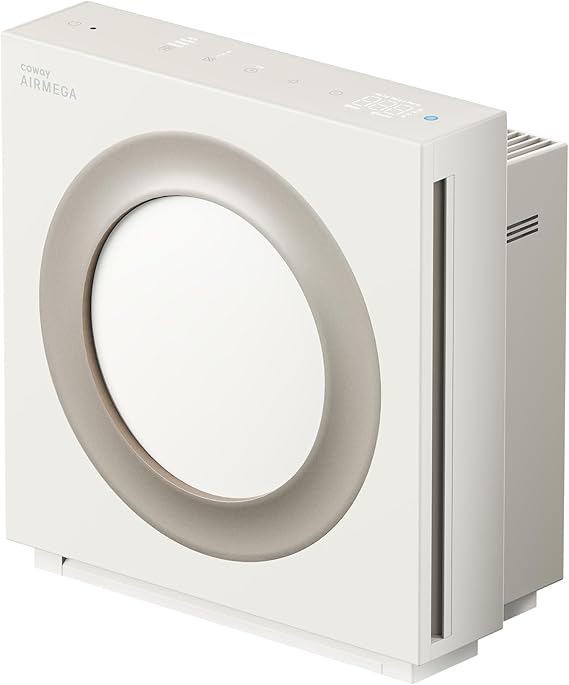
Coway Airmega Mighty2 Air Purifier
Next-gen HEPA air purifier. Covers up to 1,800 sq ft. IEST certified. Eco mode. Covers allergens, smoke, dust, pets, mold.
As an Amazon Associate, we earn from qualifying purchases.
Your Home Air Defense Kit
These 3 items help you monitor and improve your indoor air.

LEVOIT Core 300-P HEPA Air Purifier
A true HEPA filter captures 99.97% of airborne particles — dust, pollen, mold spores, and pet dander. Running one in your main living space is the single most effective step you can take for cleaner indoor air.
Get the Air Purifier — Breathe Cleaner at Home →
First Alert Radon Gas Test Kit
Radon is the second leading cause of lung cancer and you can't smell or see it. This EPA-listed test kit gives you results in days — know your levels before it becomes a problem you can't undo.
Test for Radon — What You Don't Know Can Hurt You →
Digital Moisture Meter
Hidden moisture behind walls and under floors is how mold problems start. A pin-type moisture meter lets you catch elevated readings early — before you see or smell the damage.
Get the Moisture Meter — Stop Mold Before It Starts →Your home may have hidden hazards you can't see, smell, or taste.
Our Room-by-Room Scanner checks every corner of your home for 20+ air quality hazards.
Scan My Home Now →One more thing — your home may have related hazards
If your home has attached garage air contamination, there's a chance it also has carbon monoxide (co). Both can thrive in the same conditions. When you test for one, check for the others too.
Related Hazards
Carbon Monoxide (CO)
CO is a silent killer — colorless, odorless, and lethal at high concentrations. It binds to hemoglobin 200x more than oxygen. Every home with fuel-burning appliances needs a CO detector.
Volatile Organic Compounds (VOCs)
VOCs are emitted by paints, cleaning products, air fresheners, and building materials. Concentrations indoors are up to 10x higher than outdoors. Long-term exposure damages liver, kidneys, and the central nervous system.
Benzene Exposure
Cancer-causing chemical off-gassed by paints, glues, and vehicle exhaust in attached garages. Benzene is a known human carcinogen linked to leukemia. Indoor concentrations can be significantly higher than outdoors, especially in homes with attached garages or recent renovations.
Nitrogen Dioxide (NO2)
Gas produced by gas stoves and heaters. Causes airway inflammation at elevated levels. NO2 irritates the respiratory tract and worsens asthma. Children and elderly are most vulnerable. Even short-term exposure at moderate levels can trigger symptoms.
How Attached Garage Air Contamination Compares to Related Hazards
Attached Garage Air Contamination carries a HIGH severity rating — the second-highest tier. Compared to related indoor air hazards, 1 are rated more severe and 1 are rated lower. All demand attention, but the testing and remediation sequence depends on which hazards share your home's risk profile.
Carbon Monoxide (CO) carries a critical severity rating, which is higher than Attached Garage Air Contamination's high classification. This means if both are present in your home, carbon monoxide (co) may require more urgent intervention. However, attached garage air contamination exposure compounds the overall risk.
Shared locations: kitchen, garage, bedroom
Both Attached Garage Air Contamination and Volatile Organic Compounds (VOCs) carry the same high severity classification. Their combined presence in your home creates a compounding effect that exceeds the risk of either alone. Both are commonly found in kitchen, garage. Addressing one without testing for the other leaves a blind spot in your home's air quality.
Shared locations: kitchen, garage
Both Attached Garage Air Contamination and Benzene Exposure carry the same high severity classification. Their combined presence in your home creates a compounding effect that exceeds the risk of either alone. Both are commonly found in garage, kitchen, living room. Addressing one without testing for the other leaves a blind spot in your home's air quality.
Shared locations: garage, kitchen, living room, bedroom
Attached Garage Air Contamination poses a higher immediate risk than Nitrogen Dioxide (NO2). While both require attention, attached garage air contamination is classified as high severity versus nitrogen dioxide (no2)'s moderate rating. If you test for one, the EPA recommends testing for the other simultaneously — they share common areas like kitchen, living room, bedroom.
Shared locations: kitchen, living room, bedroom, garage
Severity classifications follow EPA Indoor Air Quality assessment standards. Related hazards share environmental conditions but may require different testing methods.
What Your Attached Garage Air Contamination Test Results Mean
After testing for attached garage air contamination, you'll receive a measurement or a positive/negative result. Here's how to interpret what that number means for your home and family.
Below Detection
No attached garage air contamination was detected. Continue routine monitoring — high-severity hazards can emerge as conditions change.
What to do: Re-test every 6-12 months. Pay particular attention to vehicle exhaust and gasoline storage, which are the most common entry points.
Low-Level Detection
Low levels of attached garage air contamination were detected. While not immediately dangerous, chronic exposure to a high-severity hazard compounds over time — especially in garage and kitchen.
What to do: Identify the source among: vehicle exhaust, gasoline storage, lawn chemicals. Improve ventilation and re-test in 2-4 weeks. Never idle a car in an attached garage, even with the door open.
Elevated / At Action Level
Attached Garage Air Contamination levels have reached or exceeded the action threshold. At this level, the EPA recommends never idle a car in an attached garage, even with the door open.
What to do: Schedule professional testing within 1 week. Begin source remediation within 30 days. Do not ignore — high-severity hazards do not resolve on their own.
Interpretation guidelines are based on EPA standards for chemical hazards. For attached garage air contamination, never idle a car in an attached garage, even with the door open. Always confirm results with a certified professional.
Questions Homeowners Ask About Attached Garage Air Contamination
What are the symptoms of attached garage air contamination?
Common symptoms of attached garage air contamination include: headaches, dizziness, nausea, CO poisoning symptoms, respiratory irritation, chemical sensitivity. If you are experiencing these symptoms, test your home and consult a healthcare provider.
How do I test my home for attached garage air contamination?
Common sources include: vehicle exhaust, gasoline storage, lawn chemicals, paint storage, solvents, idling cars. You can test using the products recommended above. Never idle a car in an attached garage, even with the door open. Seal the door between garage and home with weatherstripping. Store chemicals in sealed containers. Install a CO detector near the garage. Consider a ventilation fan.
Is attached garage air contamination dangerous to children?
Yes. Children are especially vulnerable to attached garage air contamination because their respiratory systems are still developing and they breathe more air per pound of body weight than adults. Car exhaust, gasoline vapors, and stored chemicals from attached garages seep into living spaces. A running car in an attached garage raises CO levels in the home within minutes, even with the garage door open.
Stop wondering.
Start knowing.
The data is clear. The next step is testing.
The EPA notes that attached garage air contamination can only be confirmed through testing — it's often invisible and odorless. A test kit or monitor gives you a real number instead of a guess.
1 in 15 US homes has elevated radon levels — the only way to know is to test.
Take the free Air Quality Risk Score quiz and find out what's lurking in your home.
Medical & Environmental Disclaimer
This information is for educational purposes and is based on EPA and CDC guidelines. It is not a substitute for professional environmental testing, medical advice, or remediation services. If you suspect a gas leak or carbon monoxide emergency, evacuate immediately and call 911.
Maren K. Solberg
Residential Air Quality Researcher · 10+ Years Investigating Home Environmental Hazards
Garrison F. Hale has spent over a decade researching residential air quality hazards, including mold, VOCs, radon, and combustion byproducts. He translates complex EPA and CDC guidance into clear, actionable steps for homeowners.
About HomeAirHazards →